
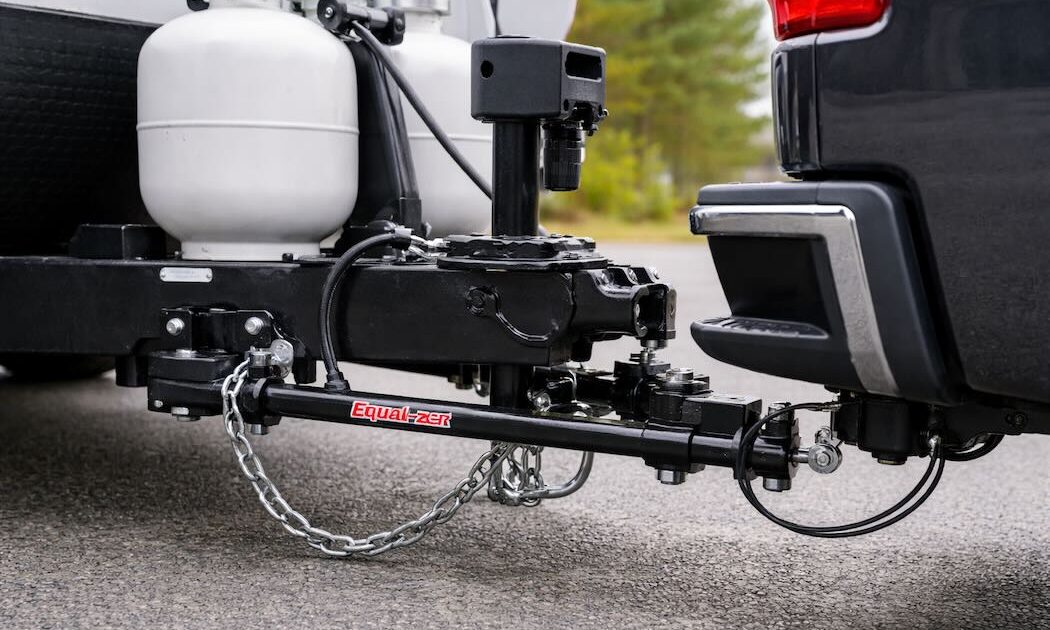
RV trailer sway is one of the most stressful and dangerous situations while towing. It happens when the trailer starts moving side to side behind the tow vehicle, especially at highway speeds or in strong wind. The good news is that trailer sway can usually be prevented with proper setup, driving technique, and equipment.
Below is a clear and practical guide that RV owners actually use.
What Causes RV Trailer Sway?
Trailer sway usually comes from instability in weight, speed, or airflow. The most common causes are:
-
Improper weight distribution
-
Too little tongue weight
-
High driving speed
-
Strong crosswinds or passing trucks
-
Worn suspension or tires
-
Incorrect hitch setup
-
Sudden steering inputs
Even a well-built trailer can sway if the setup is wrong.
1. Set Proper Tongue Weight
This is the most important factor.
-
Tongue weight should be 10 to 15 percent of total trailer weight
-
Too little tongue weight is the #1 cause of sway
Example:
If your trailer weighs 6,000 lbs, tongue weight should be about 600 to 900 lbs.
Load heavier items low and forward, not in the rear.
2. Use a Weight Distribution Hitch With Sway Control
A standard ball hitch is often not enough.
Best options:
-
Weight distribution hitch with built-in sway control
-
Dual-cam or friction sway control systems
These systems:
-
Transfer weight to the front axle
-
Reduce side-to-side motion
-
Improve steering and braking
If your trailer is over 4,000 lbs, sway control is strongly recommended.
3. Check Tire Pressure and Condition
-
Inflate trailer tires to the manufacturer’s max rated PSI
-
Check tow vehicle tires as well
-
Replace worn or mismatched tires
Underinflated tires increase flex, which causes instability.
4. Slow Down
Speed amplifies sway.
-
Most trailer sway starts above 60 to 65 mph
-
Reduce speed immediately if sway begins
-
Do not accelerate to “pull through” sway
If sway starts:
-
Take your foot off the gas
-
Hold the steering wheel straight
-
Apply trailer brakes manually if available
5. Balance the Load Inside the Trailer
Avoid:
-
Heavy items at the rear
-
Overloaded rear storage compartments
-
Roof weight that raises center of gravity
Best practice:
-
Heavy items low and near the axles
-
Even left to right balance
6. Check Suspension and Hitch Setup
Inspect regularly:
-
Hitch height and ball size
-
Worn bushings or shocks
-
Bent suspension components
-
Loose mounting bolts
Even small mechanical issues can cause sway at highway speeds.
7. Drive Smart in Wind and Traffic
-
Slow down in crosswinds
-
Increase following distance
-
Be cautious when large trucks pass
-
Avoid sudden steering corrections
Smooth driving keeps the trailer stable.
What to Do If Trailer Sway Starts?
If sway begins:
-
Stay calm
-
Do not oversteer
-
Let off the accelerator
-
Apply trailer brakes gently if equipped
-
Pull over and reassess your setup
Never try to fight sway aggressively with steering.
Trailer sway is not something to ignore. It is a warning that something in the setup or loading is wrong. With proper hitch equipment, correct loading, and smart driving habits, trailer sway can be completely eliminated in most cases.
We Can Help!
If your RV trailer continues to sway or you are unsure about your setup, Custom-way can help to install anti-sway bar for example.
We understand:
-
RV and trailer weight distribution
-
Hitch systems and suspension
-
Structural and loading issues
-
Safe towing setup for California roads
We can inspect your trailer, correct weight balance, and access all mechanical points safely.
📞 +1 840-205-7314
✉️ customway.ca@gmail.com