
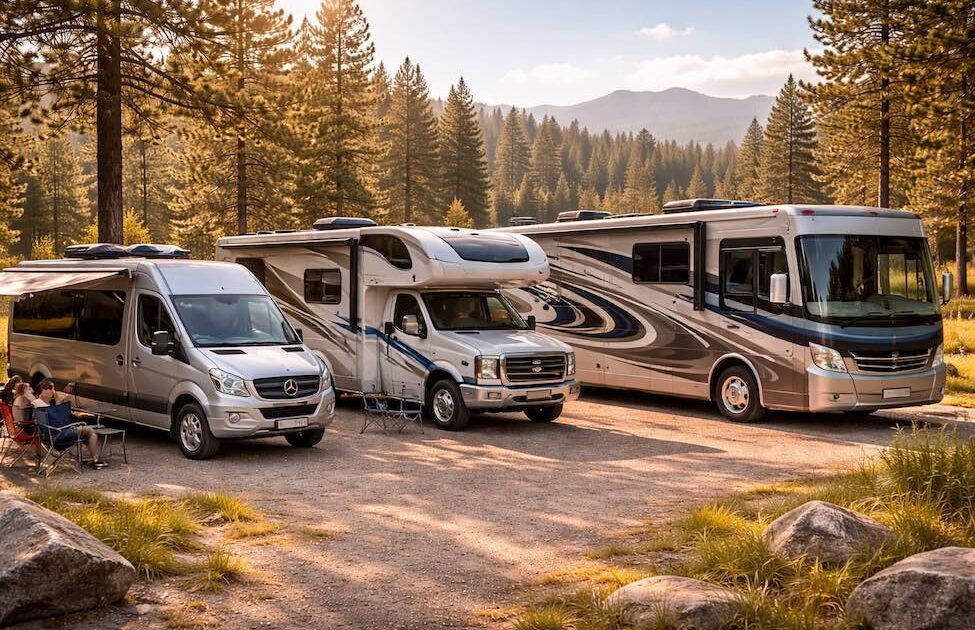
Choosing the right motorhome is not about brands, finishes, or what looks impressive in photos. The right motorhome is the one that fits how you actually travel, drive, sleep, and deal with problems on the road. Most bad purchases happen because people choose with their eyes instead of their habits.
This is how to think about it realistically.
How you plan to use the motorhome matters most
Weekend trips or long journeys
If you travel a few weekends a year, your needs are very different from someone driving thousands of miles or living full time on the road. Short trips tolerate compromises. Long trips expose every weakness very quickly.
For occasional use, simplicity matters more than durability. For long-distance or full-time use, comfort, storage, and mechanical strength matter far more than looks.
Moving often or staying parked
Some people drive every few days. Others park for weeks or months.
If you move often, driving comfort, fuel consumption, and ease of setup matter. If you stay parked, interior space, insulation, storage, and power systems become more important than driving dynamics.
Be honest here. Many people imagine constant travel but end up parked most of the time.
Size and driving confidence
How comfortable are you behind the wheel?
A large motorhome feels intimidating if you are not confident driving big vehicles. Tight streets, fuel stations, parking lots, and campgrounds can quickly become stressful.
Smaller motorhomes feel easier and more flexible. Larger ones feel more stable on highways but require planning and confidence everywhere else.
If driving feels stressful, the motorhome will be used less, no matter how nice it is inside.
Motorhome classes in real life
Class B camper vans
Class B motorhomes are the easiest to drive and park. They feel close to a regular vehicle and fit into daily life better than any other type.
They work best for solo travelers or couples who move often and value simplicity. Space is limited, storage is tight, and systems are compact. You trade comfort for flexibility.
Class C motorhomes
Class C motorhomes sit in the middle. They offer more space than a van but are easier to handle than large Class A coaches.
They work well for families, longer trips, and people who want a balance between drivability and comfort. Storage and sleeping capacity are usually better than vans, but fuel consumption and size increase.
Class A motorhomes
Class A motorhomes are about space and comfort. Flat floors, large living areas, big storage bays, and residential-style layouts define them.
They are best for long trips, extended stays, or full-time living. Driving and maintenance require confidence and planning. Smaller Class A gas models and larger diesel pushers feel very different, even within the same category.
Gas or diesel and why it matters
Gas motorhomes are cheaper to buy and maintain. They are easier for casual use and shorter trips. Diesel motorhomes, especially diesel pushers, are built for long distances, towing, and heavy use.
Diesel makes sense if you travel a lot, tow regularly, or value ride comfort and longevity. For light or occasional use, gas is usually the smarter choice.
Interior layout over floorplan hype
Do not choose a motorhome based on a floorplan photo. Think about how you actually move inside.
Ask yourself:
-
Can you access the bathroom and fridge easily when slides are in?
-
Is the bed comfortable without daily setup?
-
Can two people move without constantly bumping into each other?
Bad layouts feel annoying every single day. Good layouts disappear into the background.
Storage and weight reality
Storage volume is less important than usable storage. Low, wide, pass-through compartments matter more than tall, awkward cabinets.
Also remember weight. A motorhome that looks spacious but runs close to weight limits becomes stressful once you add water, gear, tools, and supplies.
Maintenance and budget honesty
Every motorhome needs maintenance. The question is how much complexity you are willing to live with.
Larger motorhomes mean:
-
higher tire costs
-
more expensive service
-
fewer places that can work on them
If maintenance costs scare you, smaller and simpler is usually the right direction.
New or used decision
New motorhomes offer warranties but still have issues. Used motorhomes cost less but require careful inspection.
A well-maintained used motorhome is often a better choice than a new one with unresolved factory problems. Inspection matters more than model year.
Getting professional advice before buying
Before committing, having a professional look at the motorhome can save a lot of money and frustration. Custom-way helps owners evaluate motorhomes realistically, looking at structure, systems, weight, and usability rather than sales features.
Many regrets come from skipping this step.
The right motorhome fits your real life, not your ideal fantasy. It should feel manageable to drive, easy to live in, and realistic to maintain. When a motorhome matches how you actually travel, it stops being a project and starts being enjoyable.