How to File an RV Insurance Claim for Water Damage
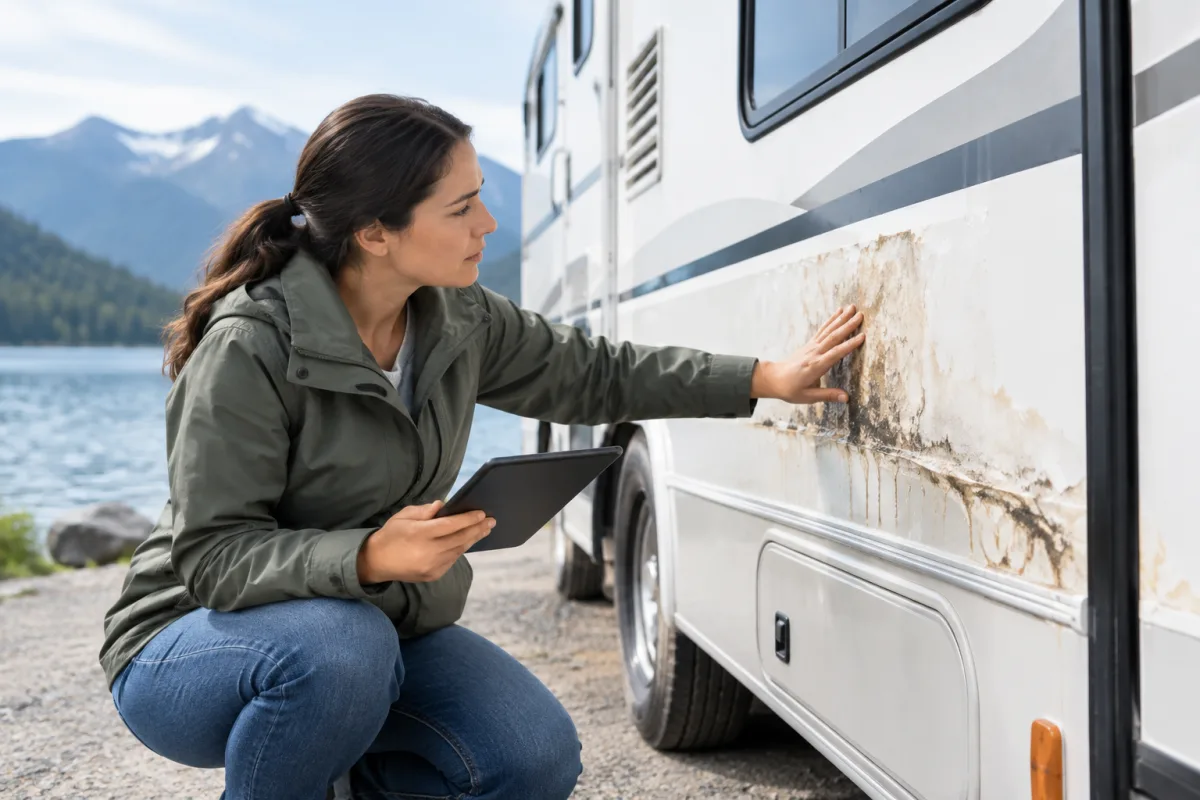
To file an RV insurance claim for water damage, first prevent further loss, document the condition, review your policy, and notify the insurer promptly. Coverage depends on the cause of the water intrusion, your policy terms, exclusions, endorsements, deductible, and applicable state requirements.
If you need repairs in Southern California, Custom way repairs and renovates RVs and camper vans in Orange County, Los Angeles, and Riverside County, including water damage repair, roof repair, window replacement, flooring, and related electrical work.
1. Stop the water and prevent additional damage
Address the immediate source of the leak if it is safe to do so. Move personal belongings away from wet areas, protect interior surfaces, and use temporary measures to limit additional damage.
Emergency work should be limited to preventing the condition from getting worse until the insurer provides instructions. Keep receipts for materials, emergency labor, storage, drying equipment, and other related expenses. Before starting substantial repairs, ask the insurer which work is authorized and whether an inspection must occur first.
2. Document the RV water damage
Take photographs and video before removing damaged materials whenever practical. Record:
- The exterior area where water may have entered, such as the roof, windows, doors, or vents.
- Stains, damp insulation, swollen flooring, damaged cabinets, walls, ceilings, and furnishings.
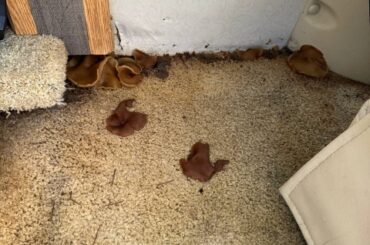
- Standing water, mold-like growth, and visible deterioration.
- The full interior and exterior of the RV to show the overall condition.
- Temporary repairs and the receipts for those repairs.
Make a written inventory of damaged personal property, including its description, approximate age, and purchase information when available. Preserve damaged items when practical, because the adjuster may need to inspect them.
3. Review your RV insurance policy
Look for comprehensive coverage, water-damage provisions, exclusions, endorsements, deductibles, and notice requirements. Comprehensive coverage may apply when water damage results from a covered external event such as severe weather, flooding, vandalism, or falling debris, subject to the policy terms.
Water intrusion connected to neglected maintenance, deteriorated roof or window seals, wear and tear, freezing, or certain manufacturer defects is commonly excluded or limited. Mold may also be excluded when it resulted from preventable neglect, although it may be considered when directly linked to a covered water-loss event.
Only the insurer can determine coverage under the specific policy. If the cause is uncertain, describe the facts accurately rather than assuming that the damage is covered or excluded.
4. Report the claim promptly
Contact the insurer using the claims process listed in your policy. Provide the incident date and location, explain what happened, and state when you discovered the damage. Ask for a claim number and record the name, phone number, and email address of each claims representative.
The insurer may request:
- Policy information and proof of ownership.
- Photographs or video of the damage.
- A description of the suspected cause and timeline.
- Repair estimates or invoices.
- Receipts for damaged property and temporary repairs.
- Access to the RV for an adjuster’s inspection.
5. Prepare for the adjuster’s inspection
An adjuster typically inspects and documents the damage before the insurer determines the covered amount and settlement. Keep the area accessible and provide your photographs, inventory, receipts, maintenance records, and repair estimates.
Ask the adjuster or claims representative:
- What deductible applies?
- Which temporary repairs are authorized?
- What documents are still required?
- When and where will the inspection take place?
- What is the insurer’s position on the cause of the water intrusion?
- When will the coverage decision and repair estimate be provided?
6. Get a repair estimate without concealing damage
A qualified RV repair facility can identify affected roof materials, seals, walls, flooring, cabinets, wiring, and other components. Do not permanently conceal or remove evidence before the insurer has had a reasonable opportunity to inspect it unless immediate action is needed to protect people or prevent further loss.
Custom way provides RV water damage repair and roof repair in Orange County, Los Angeles, and Riverside County. The company also handles RV window replacement and flooring work, which can be relevant when a leak affects seals or interior materials. Any repair should be coordinated with the insurer when coverage has not yet been decided.
7. Check the claim decision carefully
Compare the insurer’s written decision and estimate with your documentation. Check the approved scope of work, depreciation or actual-cash-value provisions if applicable, deductible, excluded items, and payment instructions.
If the insurer denies or limits the claim, request the explanation in writing and ask which policy language supports the decision. Review the policy’s complaint or appeal procedure and check the requirements of your state insurance department if you believe the claim was mishandled. Filing deadlines and claim procedures vary by insurer and state.
Documents to keep in one claim file
- Policy and declarations page.
- Claim number and all correspondence.
- Photos and video with dates and descriptions.
- Damage inventory and proof of ownership.
- Maintenance records and prior repair information.
- Temporary-repair receipts and related expenses.
- Repair estimates, inspection reports, and invoices.
- Written coverage decisions and settlement offers.
RV water-damage repair in Southern California
For RV and camper van water damage repairs in Orange County, Los Angeles, or Riverside County, Custom way is located at 17223 Roseton Ave, Artesia 90701. Contact the shop at +1 840-205-7314 or customway.ca@gmail.com to discuss repair needs after documenting the damage and following the insurer’s inspection requirements.