How to Live in an RV During Winter: A Practical Safety Guide
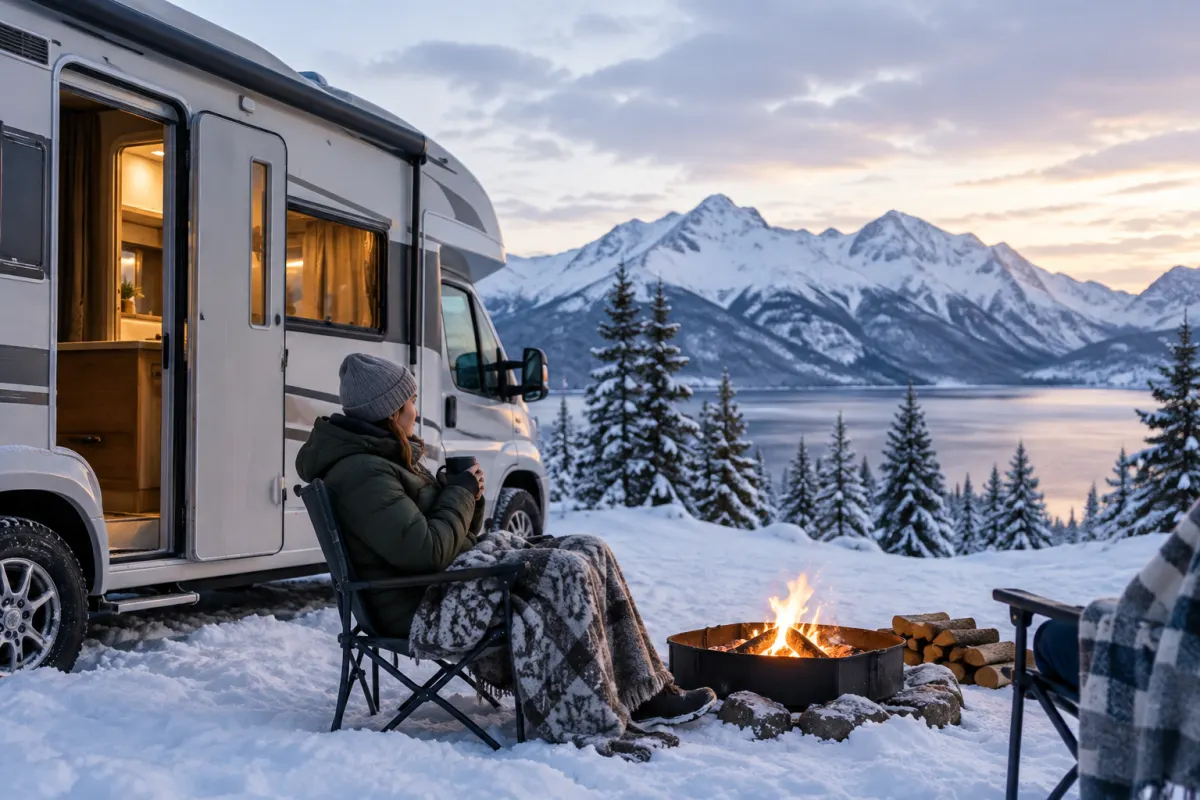
Living in an RV during winter is possible when the vehicle, heating system, water lines and emergency supplies are prepared for the local conditions. The right setup depends on the RV’s design, insulation, furnace capacity, tank layout and expected temperatures. Always check the owner’s manual because winterizing procedures vary between vehicles.
Prepare the RV before cold weather arrives
Start with an inspection of the areas where cold air and moisture commonly enter. Check the window seals, door weather-stripping, basement doors, storage compartments and exterior access panels. Damaged seals can create drafts and increase heat loss.
- Use insulated curtains or foil-backed window insulation to reduce heat loss through the glass.
- Fit foam boards where appropriate around exposed floor or storage areas.
- Install vent cushions in roof vents when they are not being used for ventilation.
- Keep furnace return vents clear so the heating system can circulate air properly.
- Inspect smoke and carbon-monoxide alarms before using the RV for extended periods.
For older RVs or vehicles with water damage, a professional inspection can be worthwhile. Custom way repairs and renovates RVs and camper vans in California, including roof repair, water damage repair, flooring, electrical repair and renovations. The company serves Orange County, Los Angeles and Riverside County.
Use the heating system safely
The built-in RV furnace is generally designed to heat the living area and help protect plumbing spaces, but its performance depends on the vehicle and the outside temperature. Do not block registers, vents or the furnace air return.
Propane use can increase sharply during extreme cold. Monitor the supply regularly and confirm that a nearby refill option is available before a storm or period of freezing weather. Never use a cooker, oven or unvented fuel-burning appliance as a substitute for the RV heating system.
Any fuel-burning appliance must have adequate ventilation and a working carbon-monoxide alarm. Portable generators must be operated outdoors and at least 20 feet from doors and windows. Carbon monoxide can accumulate inside an RV even when a generator is positioned near an exterior wall.
Protect the water system from freezing
Before a winter trip, empty the holding tanks. RV-specific antifreeze, not automotive antifreeze, may be used to protect dump valves when the procedure is appropriate for the vehicle. Follow the RV owner’s manual and the antifreeze manufacturer’s instructions.
When staying connected to campground water, a heated fresh-water hose can reduce the risk of frozen or burst connections. Water lines, sewer hoses and exposed tank plumbing may also need foam insulation, heat tape or listed pipe heaters during extended periods below freezing.
- Insulate exposed water connections and keep them protected from wind.
- Check plumbing compartments periodically during severe cold.
- Disconnect and drain hoses when they are not needed.
- Do not apply heat tape unless it is approved for the pipe or hose and installed according to its instructions.
- Keep tank valves and sewer connections protected from freezing precipitation.
If the RV has signs of a previous leak, freezing conditions can make existing damage worse. Custom way provides water damage repair, roof repair and RV window replacement at 17223 Roseton Ave, Artesia 90701. The company can be reached at +1 840-205-7314 or customway.ca@gmail.com.
Control condensation
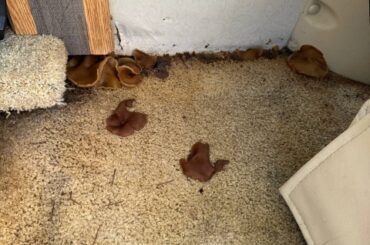
Cold exterior surfaces and warm indoor air create condensation, especially around windows, roof vents, metal frames and storage compartments. Excess moisture can contribute to mold, damp insulation and structural damage.
- Ventilate briefly while cooking, showering or drying clothes.
- Use the bathroom exhaust fan when showering.
- Keep windows and roof vents clear enough for controlled airflow.
- Wipe moisture from windows and other cold surfaces.
- Avoid drying wet clothing inside the RV when possible.
Insulated curtains and window insulation can make surfaces warmer, but they should not replace ventilation. If condensation keeps returning or walls feel damp, have the source investigated before damage spreads.
Plan for power outages
Winter storms can interrupt campground electricity, affect propane deliveries and make roads difficult to use. Keep an emergency supply of food, drinking water, medications, flashlights, batteries, warm clothing and blankets. Federal emergency guidance recommends preparing supplies for at least three days, with additional provisions when possible.
Know how the RV’s heating system behaves during a power failure. Many propane furnaces still require electricity for the blower and controls, so propane alone may not keep the RV warm if the battery is depleted. Keep batteries charged according to the manufacturer’s instructions and use only properly rated power equipment.
Never run a generator inside the RV, beneath the vehicle, in an enclosed storage area or close to doors and windows. Place it outdoors and at least 20 feet from openings into the RV.
Prepare for winter driving
Check the weather forecast and road conditions before moving the RV. Severe winter storms may make sheltering outside the vehicle safer than driving or remaining at an exposed campsite. Campground rules, overnight parking permissions, road restrictions, electrical capacity and propane availability vary by location.
- Keep the fuel tank and propane supply at a practical level for the planned route.
- Carry warm clothing, blankets, water, food, medications, a first-aid kit and charged communication devices.
- Inspect tire condition and pressure before departure.
- Secure exterior items and check that storage doors are latched.
- Allow extra braking and stopping distance on snow or ice.
- Do not travel when local authorities advise against driving.
Pay attention to the refrigerator and ventilation
Some propane or electric RV refrigerator systems may develop problems when outside temperatures fall below 20 degrees Fahrenheit. The RV Industry Association provides a specific vent-covering precaution for such conditions. Follow the refrigerator and RV manufacturer’s instructions rather than improvising a cover or blocking vents permanently.
When professional RV repair makes sense
Winter is a demanding season for roofs, windows, plumbing, electrical systems and insulation. Custom way serves Orange County, Los Angeles and Riverside County with RV window replacement, roof repair, water damage repair, flooring, electrical repair, solar installation and renovations.
For service information, visit Custom way at 17223 Roseton Ave, Artesia 90701, call +1 840-205-7314 or email customway.ca@gmail.com. Address leaks, damaged seals and electrical problems before prolonged freezing weather makes them more difficult to manage.